Divine Library is a free online public library that includes free eBook downloads and free audio books.

We work with New Thought Seekers and Sharers around the world insuring that all New Thought Texts in the Public Domain are available for you to read on the web for free, forever!

"Unlike so many, we do not peddle the word of God for profit."
~ 2 Corinthians 2:17

Navigate through this book by clicking Next Page or Previous Page below the text of the page & jump directly to chapters using the chapter numbers above the text.

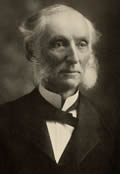
John Bascom - Creator of Science of Mind - progenitor of New Thought

NewThought.net/work
Serving New Thought is pleased to present

John Bascom's

Science of Mind

"Evolution is better than Revolution. New Thought Library's New Thought Archives encompass a full range of New Thought from Abrahamic to Vedic. New Thought literature reflects the ongoing evolution of human thought. New Thought's unique inclusion of science, art and philosophy presents a dramatic contrast with the magical thinking of decadent religions that promulgate supersticions standing in the way of progress to shared peace and prosperity." ~ Avalon de Rossett

Your PayPal contributions insure this gift lasts forever. Please consider an ongoing PayPal subscription.


Introduction - Intellect - Mental Science's Divisions - Intellect's Divisions and Perceptions - The Understanding - The Reason - The Dynamics of the Intellect - Physical Feelings - Intellectual Feelings - Spiritual Feelings - Dynamics of Feelings - The Will - The Nervous System - Nervous System of Man - Executive Volition - Primary Volition, or Choice - Dynamics of the Will and the Mind - The Relations of the Systems Here Offered to Prevalent Forms of Philosophy - Index - Contents -


and by no means exhaust the list. They neglect the primary categories, and even include, as in quality, a partial generalization under the senses. In relation and modality, we have generalizations of dependencies involved in primary ideas. These categories have therefore but little claim to attention from a psychological point of view, being constructed to express the logical forms of judgments rather than the ultimate ideas under which they proceed.

page scan

267


PREVIOUS PAGE - NEXT PAGE

Support New Thought Library so that we can continue our work 
of putting all public domain New Thought texts at your fingertips for free!